The Falkland Islands (Malvinas) are a remote group of islands in the South Atlantic Ocean, known for their spectacular coastal landscapes, remarkable wildlife, peaceful settlements, and fascinating history. For travelers who enjoy nature, photography, outdoor adventures, and destinations far from crowded tourist routes, these islands offer an unforgettable experience.
From watching penguins walk along white-sand beaches to exploring the colorful streets of Stanley, the islands have something special for curious travelers. However, visiting this remote destination requires careful planning because transportation options are limited, the weather can change quickly, and some wildlife locations are accessible only through organized excursions or private arrangements.
This complete travel guide to the Falkland Islands (Malvinas) explains what to see, when to visit, how to get around, where to stay, and how to prepare for your first trip.
1. Where Are the Falkland Islands (Malvinas)?
The Falkland Islands are located in the South Atlantic Ocean, east of southern South America. The archipelago consists of two main islands, East Falkland and West Falkland, along with hundreds of smaller islands and islets.
Stanley, located on East Falkland, is the capital and principal settlement. It serves as the main center for accommodation, restaurants, visitor services, and local transportation.
The islands are geographically close to Patagonia but have a distinctive environment shaped by cool ocean currents, strong winds, rolling grasslands, rocky coastlines, and abundant marine wildlife.
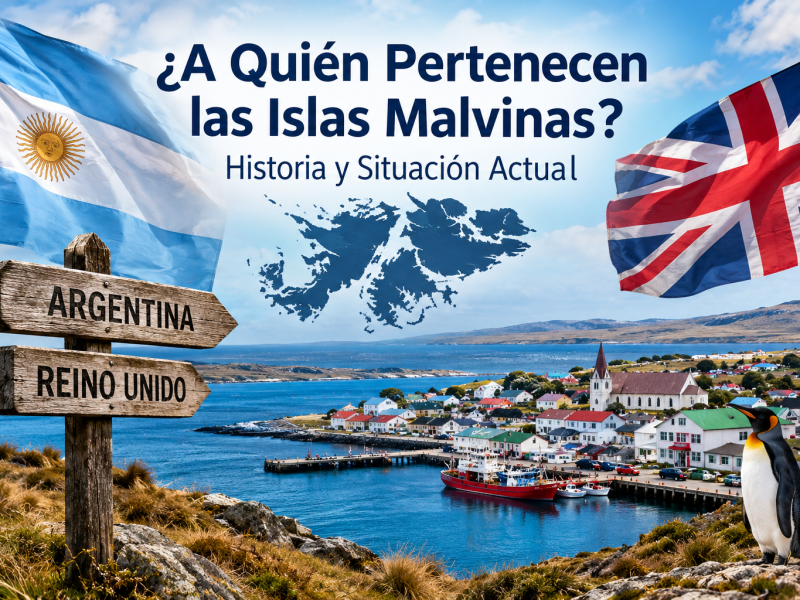
The names Falkland Islands and Islas Malvinas reflect the longstanding sovereignty dispute between the United Kingdom and Argentina. The United Kingdom administers the islands, while Argentina maintains its sovereignty claim. Visitors should understand this context when researching the destination.
2. Why Visit the Falkland Islands?
The Falkland Islands are particularly attractive to travelers who prefer wildlife encounters and peaceful landscapes over busy cities and commercial attractions.
Some of the main reasons to visit include:
- Exceptional wildlife: Observe penguins, seals, sea lions, albatrosses, and many other seabirds in their natural habitats.
- Beautiful landscapes: Discover rugged coastlines, remote beaches, green hills, and open grasslands.
- Small-town charm: Explore Stanley’s colorful buildings, waterfront, shops, and historic landmarks.
- Outdoor adventures: Enjoy walking, hiking, wildlife photography, and scenic excursions.
- Rich history: Learn about maritime exploration, local settlement, and the 1982 Falklands War.
- Peaceful surroundings: Experience a destination where nature and local life are central to the visitor experience.
Because visitor numbers and tourism infrastructure are relatively limited compared with major international destinations, planning ahead is especially important.
3. Explore Stanley, the Capital
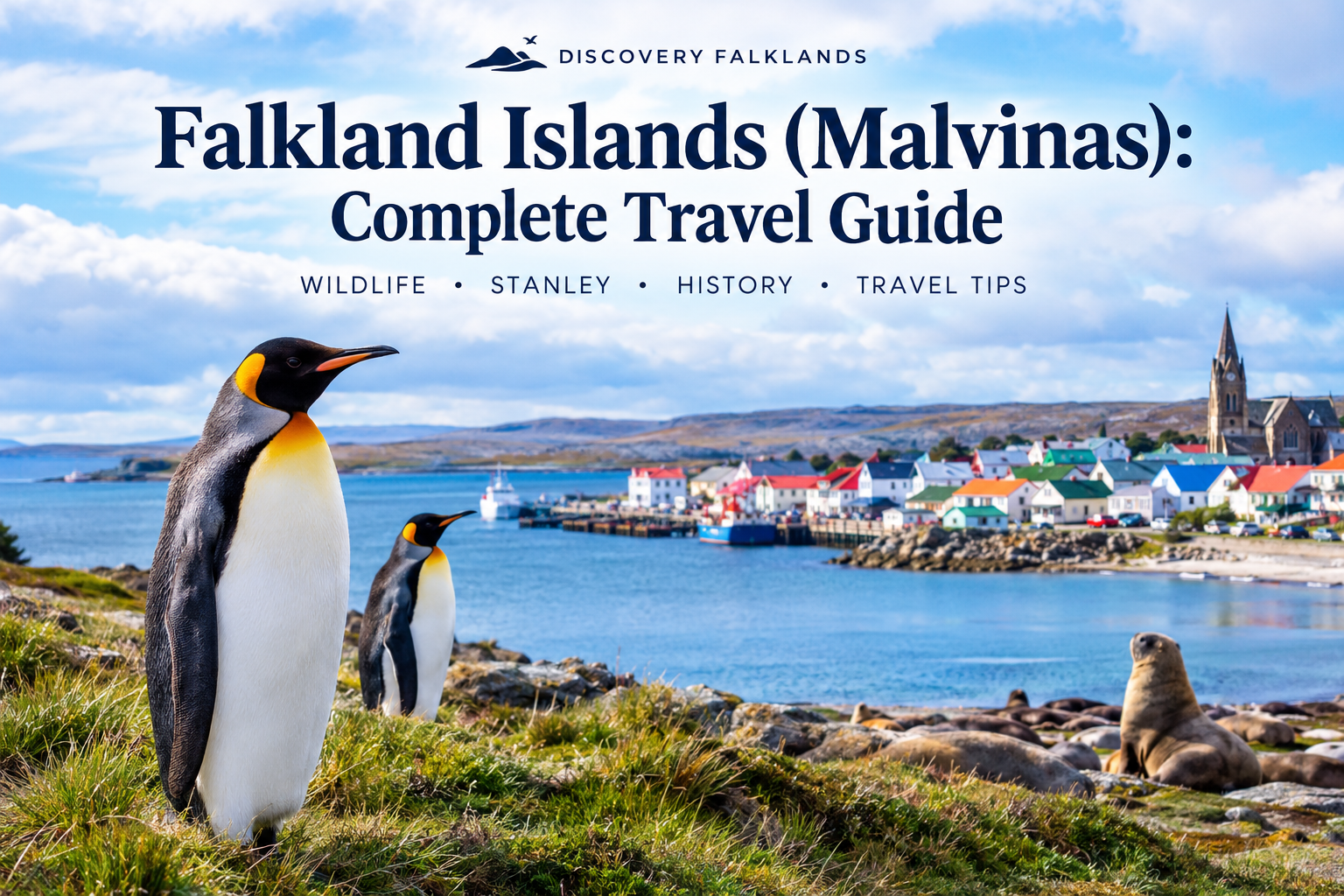
Stanley is the best starting point for most first-time visitors. This small, distinctive settlement combines British-influenced architecture with a character shaped by its remote South Atlantic location.
Start your visit with a walk along the waterfront, where you can admire the harbor, colorful buildings, and views across the surrounding water.
Christ Church Cathedral is one of Stanley’s best-known landmarks. Nearby, the Whalebone Arch provides a popular photography stop and a reminder of the region’s maritime history.
The Falkland Islands Museum offers insight into the islands’ history, culture, natural environment, and community life. Check current opening arrangements before visiting.
Victory Green is another worthwhile stop for visitors interested in local history and outdoor spaces. You can also browse local shops for souvenirs, crafts, and practical travel supplies.
Allow at least one full day to explore Stanley at a comfortable pace. If your schedule permits, spend additional time enjoying its walking routes, cafes, waterfront scenery, and local atmosphere.
4. Discover Penguins and Other Wildlife

Wildlife is one of the biggest reasons travelers choose the Falkland Islands. The islands support important breeding populations of several penguin species, along with numerous seabirds and marine mammals.
Depending on the location and season, visitors may encounter:
- King penguins: Recognizable by their orange markings and tall appearance.
- Gentoo penguins: Known for their orange bills and energetic movements.
- Magellanic penguins: Often associated with burrows and grassy coastal areas.
- Rockhopper penguins: Famous for their distinctive crests and ability to navigate rocky terrain.
- Albatrosses: Impressive seabirds often seen around coastal cliffs and offshore waters.
- Elephant seals and sea lions: Marine mammals that may be observed resting or gathering at suitable beaches.
Volunteer Point is particularly famous for its king penguin colony and is a major wildlife destination for visitors staying in or near Stanley. Reaching it generally requires a suitable four-wheel-drive vehicle and advance arrangements, often through a local operator.
Other wildlife sites can provide opportunities to observe gentoo penguins, rockhopper penguins, and nesting seabirds. Access varies by location, so confirm permissions, transport, and local guidance before setting out.
Always follow wildlife-viewing guidelines. Keep a respectful distance, avoid blocking animal pathways, remain quiet around nesting areas, and never feed or touch wild animals. These simple practices help protect wildlife while allowing visitors to observe natural behavior.
5. Visit the Falkland Islands’ Beautiful Beaches
The Falkland Islands feature beaches that are very different from typical tropical holiday destinations. Instead of palm trees and warm swimming waters, visitors find expansive sands, cool ocean air, dramatic skies, and remarkable wildlife.
Some beaches are particularly memorable because penguins move between the sea and their nesting grounds. Others are valued for their quiet atmosphere, open views, and opportunities for landscape photography.
When visiting a beach, take time to observe the changing light, watch seabirds along the shoreline, and appreciate the surrounding scenery. Wind-resistant clothing is essential, even during the warmer months.
Swimming is generally not a major visitor activity because the water is cold and conditions can be unpredictable. Strong currents, waves, and rapidly changing weather can create hazards.
Treat every beach as a natural environment rather than a conventional resort. Avoid disturbing wildlife, leave no litter, and check local access arrangements before traveling to remote coastal areas.
6. Learn About the Islands’ History
The history of the Falkland Islands is an important part of understanding the destination. European exploration, competing sovereignty claims, settlement, maritime activity, and the development of local communities have all shaped the islands.
The Falklands War of 1982 remains a significant historical event. Argentina invaded the islands in April 1982, and British forces subsequently fought to regain control. The conflict ended in June 1982 following the Argentine surrender on the islands.
Visitors interested in this period can learn more at the Falkland Islands Museum and at relevant memorials and historic locations. Battlefield visits may require transport arrangements and guidance from knowledgeable local operators.
Approach this history with sensitivity and respect. The conflict affected military personnel, island residents, and families in different ways, and its political significance continues today.
Learning about the past adds depth to a trip and helps visitors understand why the islands hold such importance for their community and for Argentina and the United Kingdom.
7. When Is the Best Time to Visit the Falkland Islands?
The best time to visit depends on your interests, particularly whether you want to see wildlife, enjoy longer daylight hours, or experience quieter travel conditions.
October to November: Spring brings increasing wildlife activity, returning seabirds, and growing penguin breeding activity at various locations. Conditions can still be cold and windy.
December to January: These summer months generally offer longer daylight hours and opportunities to observe busy wildlife colonies. They are popular with visitors, so book accommodation and excursions early.
February to March: Late summer and early autumn can be rewarding for wildlife photography and scenic exploration. Exact wildlife behavior varies by species and location.
April to September: The cooler season offers a different atmosphere, but shorter daylight hours, colder weather, and seasonal transport or service limitations can make some excursions more difficult.
For most first-time visitors focused on wildlife, the period from November through February is a useful starting point for planning. Check species-specific seasonal information and local excursion schedules before booking.
8. How to Get to the Falkland Islands
Traveling to the Falkland Islands requires more preparation than visiting many mainstream holiday destinations. Flight options are limited, and routes and schedules may change.
One option is the scheduled air service connecting the islands with Punta Arenas in Chile, subject to the published timetable and any applicable entry or transit requirements. A flight service also operates between the United Kingdom and the islands, with arrangements and routing that travelers should verify before departure.
Some visitors arrive by expedition cruise ship, particularly on trips exploring the South Atlantic or Antarctica. Shore visits depend on the itinerary, weather, and operational conditions.
Before purchasing tickets, confirm the current route, departure dates, baggage rules, immigration requirements, and any necessary onward connections. Leave sufficient flexibility in your schedule in case weather or transport disruptions affect travel.
Because services are limited, avoid assuming that flights operate every day or that alternative transport will be readily available.
9. Where to Stay in the Falkland Islands
Stanley offers the widest range of visitor facilities, including guesthouses, hotels, and other small accommodation providers. Staying in the capital makes it easier to arrange excursions, purchase supplies, and explore local attractions.
Travelers who want a more remote experience may consider accommodation at rural settlements or farms that accept visitors. These stays can provide opportunities to experience island landscapes and observe wildlife in quieter surroundings.
However, remote accommodation usually requires more careful coordination. Confirm meals, transport, access to shops, payment arrangements, and excursion availability before making a reservation.
Book well in advance if traveling during peak wildlife season, on a cruise itinerary with a short stay, or during a period when accommodation options are limited.
10. Getting Around the Falkland Islands
Transportation is a key part of planning a successful trip. Stanley is relatively compact and can be explored on foot, but many wildlife sites and rural destinations are spread across the islands.
Four-wheel-drive vehicles are commonly used for travel on rough roads and tracks. Local guides and tour operators can help visitors reach remote locations safely and understand local access conditions.
Inter-island air services connect certain settlements, but schedules and capacity are limited. These services may require advance reservations and coordination with accommodation providers.
Do not assume that public buses, taxis, or rental vehicles will be available in the same way as in a large city. Arrange transport before traveling outside Stanley and allow extra time for weather-related changes.
If you are planning to visit a specific wildlife colony, confirm the journey time, road conditions, permission requirements, and return arrangements before departure.
11. What Should You Pack?
The weather in the Falkland Islands can change quickly, and strong winds are common. Even in summer, temperatures may feel colder than expected.
Pack the following essentials:
- Waterproof and windproof outerwear.
- Warm layers that can be added or removed as conditions change.
- Comfortable, sturdy walking boots.
- Wool or synthetic socks suitable for outdoor activity.
- A warm hat and gloves.
- Sunscreen and sunglasses.
- Binoculars for observing wildlife from a distance.
- A camera with spare batteries and memory cards.
- A reusable water bottle and any personal medication.
- Waterproof bags or covers to protect electronics.
Bring clothing that works for both town visits and outdoor excursions. Neutral-colored layers are practical for photography, although protecting yourself from the weather is more important than choosing a particular color.
If you plan to hike or explore remote areas, ask your local guide about additional equipment, navigation, and emergency arrangements.
12. Food, Money, and Practical Travel Tips
The Falkland Islands have a small local economy, and prices for some imported goods and services can be higher than visitors expect. Build a realistic budget that includes accommodation, transport, meals, excursions, and contingency expenses.
The Falkland Islands pound is the local currency and is linked in value to the British pound sterling. British pound sterling is generally accepted locally, but check current payment practices before traveling. Do not assume that every business accepts international cards or that cash machines will always be available.
Food options include familiar British-style dishes, seafood where available, and meals prepared by accommodation providers. If you have dietary requirements, communicate them when booking, especially for remote stays.
English is the main language used in everyday life. The islands’ remote location means mobile coverage and internet access may be limited outside Stanley or at particular properties.
Travel insurance is strongly recommended. Confirm that your policy covers your planned activities, medical needs, and potential transport disruptions. Keep copies of travel documents and contact details for accommodation and excursion providers.
13. Responsible Tourism in the Falkland Islands
Responsible tourism helps preserve the islands’ distinctive wildlife and landscapes for future generations.
Stay on permitted routes, respect private property, and follow guidance from local landowners and guides. Some wildlife sites are on privately managed land, and visitors may need advance permission or an organized excursion.
Do not approach nesting birds too closely, disturb penguins, or attempt to attract animals for photographs. Avoid leaving food waste or litter behind, and take care not to introduce seeds or soil on footwear and equipment when moving between wildlife sites.
Support local businesses where possible by booking locally operated excursions, purchasing locally made products, and learning about the community from residents.
The islands’ appeal comes partly from their relatively undisturbed natural environment. Thoughtful behavior helps maintain that character.
14. Suggested Three-Day Itinerary for First-Time Visitors
If you have three days on the islands, a flexible itinerary can help you experience Stanley, wildlife, and the surrounding scenery.
Day 1: Explore Stanley
- Walk along the waterfront.
- Visit Christ Church Cathedral and the Whalebone Arch.
- Explore the Falkland Islands Museum.
- Enjoy local food and browse shops.
Day 2: Wildlife Excursion
- Join a prearranged trip to a penguin colony or another wildlife location.
- Take time for wildlife observation and photography.
- Follow the guide’s instructions and allow for changing road or weather conditions.
Day 3: Landscapes and Local History
- Arrange a guided excursion to a suitable coastal or historical site.
- Explore scenic viewpoints or permitted walking routes.
- Return to Stanley for a relaxed evening.
This itinerary is only a starting point. Travel times, weather, accommodation location, and excursion availability may affect what is possible. If your main goal is to see particular penguin species or remote settlements, consider staying longer.
15. Frequently Asked Questions
Are the Falkland Islands and the Malvinas the same place?
Yes. Falkland Islands and Islas Malvinas are names used for the same archipelago. Their use reflects the continuing sovereignty dispute between the United Kingdom and Argentina.
Are the Falkland Islands worth visiting?
Yes, particularly for travelers interested in penguins, seabirds, remote landscapes, photography, local culture, and history. The destination is less suited to travelers looking for tropical beaches, nightlife, or extensive public transport.
How many days should I spend in the Falkland Islands?
Three days can provide an introduction to Stanley and one or two excursions, depending on schedules. Five to seven days or longer can offer more flexibility for wildlife sites and remote locations.
Can I see penguins in the Falkland Islands?
Yes. Several penguin species breed on the islands. Which species you see depends on the location, season, and availability of excursions.
Is it expensive to visit the Falkland Islands?
It can be expensive because flights are limited, accommodation options are relatively small in number, and remote excursions may require specialized vehicles or guides. Booking early and planning a realistic budget can help.
Do I need to book tours in advance?
Advance booking is strongly recommended for wildlife excursions, remote accommodation, and transport outside Stanley. Confirm access requirements and cancellation policies before paying.
Conclusion
The Falkland Islands (Malvinas) offer a distinctive travel experience built around extraordinary wildlife, dramatic coastal scenery, fascinating history, and a welcoming local community. From the landmarks of Stanley to remote penguin colonies and windswept beaches, the islands reward visitors who take time to plan carefully and travel responsibly.
For first-time visitors, the keys to a successful trip are choosing the right season, arranging flights and accommodation early, organizing transport to remote locations, and preparing for changeable weather.
Whether you dream of photographing king penguins, exploring local history, or discovering the landscapes of the South Atlantic, the Falkland Islands can provide a memorable adventure far from ordinary tourist routes. Plan thoughtfully, respect the natural environment, and allow enough time to appreciate everything this remarkable destination has to offer.